Short Answer: International Delights
Food provides a flavorful way to discover different cultures and explore the world. From fragrant stews to freshly baked pizza, traditional dishes reveal centuries of migration, trade, agriculture, and family customs. These international delights reflect how communities have adapted local ingredients and passed culinary knowledge from one generation to the next.
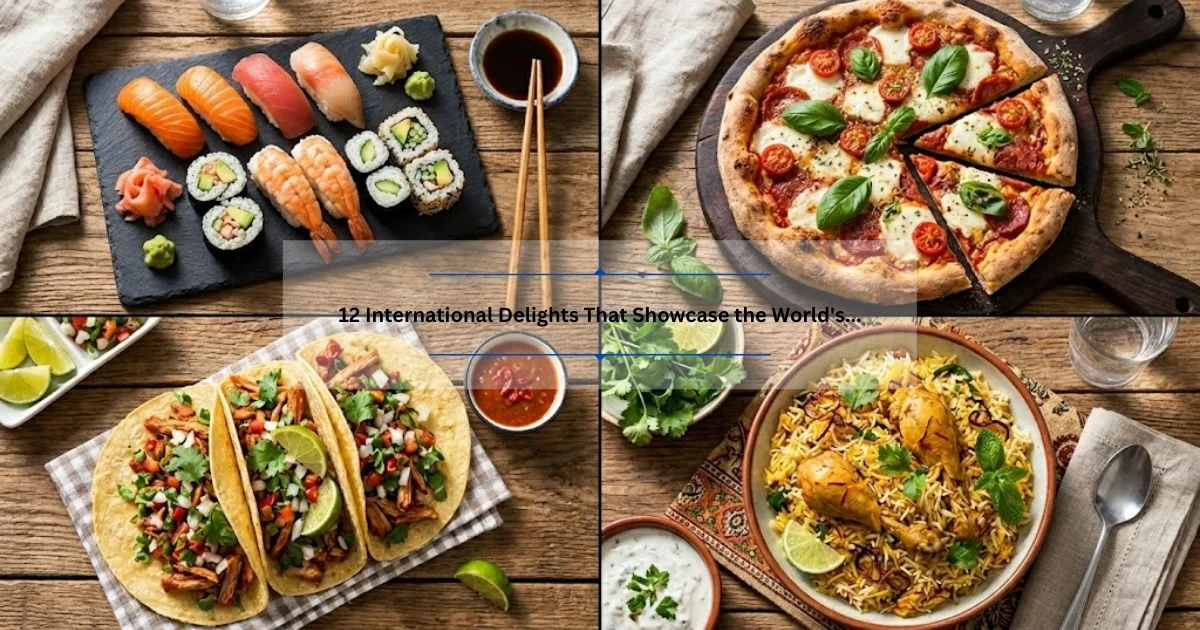
From bustling Asian street markets to traditional European kitchens and vibrant North African spice shops, international cuisine invites food lovers to experience diverse flavors and culinary traditions. Popular dishes such as Japanese sushi, Mexican tacos, Indian biryani, and Brazilian feijoada showcase the distinctive ingredients, cooking techniques, and cultural traditions that make international food so fascinating.
Exploring these dishes also provides insight into regional differences, traditional preparation methods, and the social customs surrounding meals. This guide highlights 12 international delights worth discovering, along with what makes each dish special.
12 International Delights That Showcase the World’s Most Exciting Food Traditions
1. Japanese Sushi
Sushi is a signature dish of Japanese cuisine, featuring seasoned rice paired with seafood, vegetables, egg, and seaweed. Common varieties include nigiri, maki rolls, and chirashi bowls, each offering distinct flavors and textures.
Early forms of sushi developed from fish-preservation techniques. Over time, Japanese cooks introduced fresher preparations, including nigiri, which became popular in Edo-period Tokyo.
Excellent sushi emphasizes fresh ingredients, carefully prepared rice, and balanced textures. Seasonal seafood and precise presentation reflect Japanese cooking’s appreciation for quality and simplicity.
2. Italian Pizza Napoletana
Modern pizza is closely associated with Naples, Italy, where dough, tomatoes, and simple toppings developed into a celebrated local specialty.
Traditional Neapolitan pizza features a soft crust, tomato, mozzarella, and a raised edge. Margherita pizza adds basil, creating its familiar red, white, and green appearance.
Fermentation develops the dough’s flavor, while high-temperature baking creates a tender center and characteristic browned spots. Although pizza has evolved into countless regional styles, Neapolitan pizza remains an important reference point for understanding its origins.
3. Mexican Tacos
Tacos showcase Mexican cuisine through a combination of tortillas, fillings, salsa, and garnishes. Their ingredients reflect regional agriculture and centuries of culinary development.
Corn has deep roots in Mesoamerican food culture. Nixtamalization, which treats corn with an alkaline solution, helps prepare it for masa, the dough used in traditional tortillas.
Fillings range from grilled meat and fish to beans, mushrooms, and vegetables. Tacos al pastor feature marinated pork cooked on a vertical spit, while Baja-style fish tacos commonly include cabbage and creamy sauce.
Fresh salsa, lime, cilantro, and onion provide contrasting flavors and textures, making tacos a versatile introduction to Mexican cuisine.
4. Indian Biryani
Biryani combines rice, aromatic spices, and ingredients such as chicken, lamb, seafood, eggs, or vegetables. Popular throughout the Indian subcontinent, it varies considerably by region.
Common ingredients include basmati rice, cardamom, cloves, cinnamon, saffron, and fried onions. Some recipes layer partially cooked rice with seasoned meat or vegetables before finishing everything in a sealed pot using the dum method.
Hyderabadi biryani is known for richly seasoned preparations, Kolkata biryani often includes potatoes, and Lucknow-style biryani reflects the refined cooking traditions of Awadh.
These regional differences demonstrate the diversity of Indian cuisine, with each preparation reflecting local ingredients and culinary influences.
5. Thai Pad Thai
Pad Thai is a popular Thai noodle dish featuring rice noodles, eggs, tofu, seafood or meat, bean sprouts, and crushed peanuts. Tamarind, fish sauce, sugar, and other seasonings create a balance of sour, salty, sweet, and savory flavors.
The dish became especially prominent during the 20th century and is now enjoyed worldwide. A well-prepared version features tender noodles, crunchy bean sprouts, and fresh lime, with peanuts and chili added according to preference.
Pad Thai demonstrates how accessible ingredients and carefully balanced seasonings can turn everyday street food into an international favorite.
6. Moroccan Tagine
Tagine refers to both a traditional North African cooking vessel and dishes prepared in it. Its conical lid helps circulate steam, allowing ingredients to cook slowly and develop concentrated flavors.
Moroccan cuisine reflects Amazigh, Arab, Andalusian, and Jewish influences. Common seasonings include cumin, ginger, cinnamon, coriander, saffron, and preserved lemon.
Popular variations include chicken with olives and preserved lemons, lamb with prunes or apricots, and vegetable tagines featuring chickpeas, carrots, and squash.
Slow cooking tenderizes meat and allows vegetables to absorb the seasoning. Tagine is often served with bread or couscous and is well suited to communal meals that emphasize hospitality and sharing.
7. Ethiopian Injera
Injera is a thin, fermented flatbread central to Ethiopian cuisine and also widely eaten in Eritrea. Traditionally made with teff flour and water, it has a soft, spongy texture and pleasantly sour flavor.
Teff, a small-grained cereal native to the Horn of Africa, is fermented before the batter is cooked on a hot surface. This process develops injera’s distinctive flavor and characteristic bubbles.
Injera acts as both the foundation of a meal and a traditional utensil for scooping up accompanying dishes. Diners use pieces to scoop up lentil stews, seasoned vegetables, and doro wat, a chicken stew flavored with berbere spice.
Meat-free dishes are particularly important during Ethiopian Orthodox fasting periods. Injera highlights the relationship between staple grains, shared meals, and traditional eating customs.
8. Spanish Paella
Paella is closely associated with Valencia on Spain’s eastern Mediterranean coast. Prepared in a broad, shallow pan, it combines rice with broth, seasonings, and other ingredients.
Traditional Valencian paella commonly includes chicken, rabbit, green beans, and garrofó, a large lima bean. Saffron provides its golden color and distinctive aroma.
Seafood paella features shrimp, mussels, and squid, while mixed versions combine meat and seafood. These variations are popular but differ from the traditional Valencian preparation.
Paella is generally cooked without frequent stirring, allowing the rice to remain distinct. A prized feature is socarrat, the thin, toasted layer that forms at the bottom of the pan.
The dish reflects regional agriculture and culinary identity while remaining a popular centerpiece for shared meals.
9. French Ratatouille
Ratatouille originates from Provence in southern France, where Mediterranean produce and herbs shape local cooking. It typically combines eggplant, zucchini, tomatoes, peppers, onions, garlic, and herbs.
The vegetables may be cooked together or prepared separately before being combined, creating different textures and degrees of caramelization.
Olive oil, thyme, and basil enhance the natural flavors without overwhelming the ingredients. Ratatouille can be served warm or at room temperature alongside bread, fish, or roasted meat.
It also works as a vegetarian meal when paired with beans, lentils, or grains. This dish demonstrates how seasonal vegetables and straightforward techniques can create satisfying flavors.
10. Vietnamese Phở
Phở is a Vietnamese noodle soup traditionally prepared with rice noodles, broth, and beef or chicken. Fresh herbs, lime, chili, and other accompaniments allow diners to customize each bowl.
Beef phở often uses bones simmered with ginger, onion, star anise, cinnamon, and other aromatics. Chicken phở generally has a lighter flavor.
The broth is central to the dish, developing depth through careful simmering. Phở is strongly associated with northern Vietnam, particularly Hanoi, while southern versions often feature a wider selection of herbs and accompaniments.
Although frequently eaten for breakfast, phở is enjoyed throughout the day. Its warm broth, soft noodles, tender protein, and fresh herbs make it a comforting and internationally recognized Vietnamese specialty.
11. Chinese Peking Duck
Peking duck, also called Beijing roast duck, is one of China’s best-known celebratory dishes. It is recognized for its glossy, crisp skin and tender meat.
Preparation can involve inflating the skin, drying the surface, applying a glaze, and roasting the bird. These steps help create its distinctive texture.
The duck is commonly served with thin pancakes, cucumber, scallions, and a sweet bean sauce or hoisin-style condiment. Diners assemble small wraps according to preference.
Often served during group meals and special occasions, Peking duck demonstrates how careful preparation and presentation can transform familiar ingredients into a celebrated culinary specialty.
12. Brazilian Feijoada
Feijoada is a rich black bean stew widely associated with Brazilian cuisine. Depending on the recipe, it includes different cuts of pork and sometimes beef, seasoned with garlic, onions, and other ingredients.
The dish belongs to a broader Portuguese-speaking tradition of bean-based cooking but has developed a distinctive identity through Brazilian ingredients and regional practices.
Feijoada is commonly served with white rice, sautéed collard greens, farofa made from toasted cassava flour, and orange slices. These accompaniments provide contrasting textures and flavors that balance the stew’s richness.
Often enjoyed at leisurely weekend gatherings, feijoada highlights the importance of communal meals and traditional Brazilian food culture.
Tips For Exploring International Delights At Home
Exploring global cuisine does not require expensive ingredients or professional cooking skills. Many traditional dishes rely on accessible staples such as rice, beans, vegetables, noodles, and flour.
Understanding the ingredients and techniques behind a dish makes cooking more rewarding. Tamarind provides acidity in pad Thai, fermented teff gives injera its tang, and preserved lemons add distinctive citrus notes to Moroccan tagine.
Helpful ways to explore international cooking include:
- Start with approachable dishes such as tacos, ratatouille, or pad Thai.
- Learn about traditional ingredients and preparation methods.
- Visit international grocery stores to discover regional spices, grains, and sauces.
- Explore regional variations rather than assuming every version of a dish is identical.
- Substitute unavailable ingredients thoughtfully, recognizing that changes may affect flavor and texture.
- Prepare meals with family or friends to experience the communal traditions associated with different cuisines.
These approaches make discovering global flavors enjoyable while encouraging a deeper appreciation of the cultures behind each dish.
Why International Food Traditions Continue To Inspire
International cuisine remains popular because it offers more than variety. Traditional dishes reveal how communities have adapted to their environments, developed distinctive cooking methods, and preserved culinary knowledge over generations.
Ingredients often tell an important part of the story. Corn defines traditional Mexican tortillas, teff gives Ethiopian injera its distinctive character, and rice forms the foundation of Indian biryani and Spanish paella.
Cooking techniques are equally important. Fermentation develops distinctive flavors, slow cooking allows spices to deepen, and high-temperature roasting creates the crisp textures associated with Peking duck.
Food also brings people together. Shared platters, communal stews, and celebratory meals demonstrate how dining customs express hospitality, family connections, and cultural identity.
Exploring the stories behind international dishes encourages a deeper appreciation of the traditions and people who have shaped global food culture.
Final Thoughts On International Delights
International delights offer a window into the traditions, ingredients, and experiences that shape communities around the world. From Japanese sushi to Brazilian feijoada, each dish tells a different story about how people cook, eat, and connect.
Whether discovering the fragrant spices of Indian biryani, enjoying the comforting broth of Vietnamese phở, or sharing Spanish paella, there are countless ways to experience the world’s culinary diversity. Each dish offers an opportunity to explore new flavors while learning about the techniques and customs that make it distinctive.
Start with a dish that sparks curiosity, then explore its ingredients, preparation methods, and regional variations. Trying new recipes can expand culinary knowledge, celebrate cultural diversity, and bring more of the world’s food heritage to the table.